Note
Should you sell before you buy?
The question every move-up buyer wrestles with. There's no universal answer — but there is a way to think about it clearly.

Sunny Purba
April 14, 2026 · 2 min read
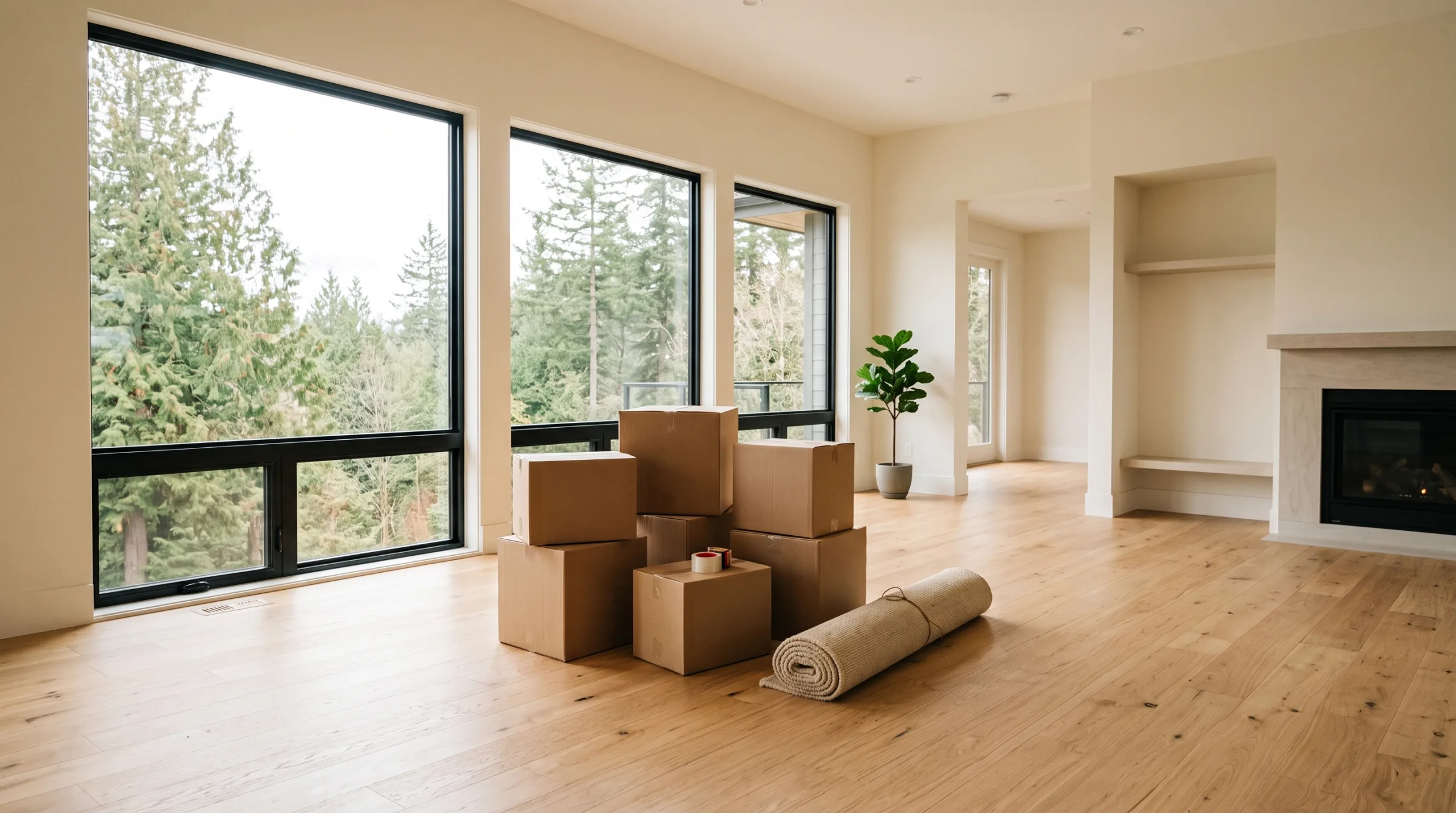
If you already own and you're moving up, you hit the same fork everyone does: do you sell your current place first and then buy, or buy the next one and then sell? Get it wrong and you're either carrying two mortgages or scrambling for somewhere to live. There's no answer that's right for everyone — but there is a clear way to reason about it.
Sell first: certainty, with a timing risk
Selling first means you know exactly what you have to spend, and you write your next offer with no financing hanging over it — which makes you a stronger buyer. The risk is the gap: if you sell quickly and can't find the right home, you may need a rental or a rent-back arrangement to bridge the space between.
Buy first: the home you want, at a cost
Buying first means you never miss the right place because you weren't ready. But now you're carrying two properties until yours sells, and the pressure to sell fast can push you into accepting less. It works best when you have the financial room to hold both for a while, or in a market where good homes sell quickly.
The tools in between
- Subject-to-sale offers — writing your purchase conditional on your home selling. Weaker in a competitive market, but real protection.
- Bridge financing — a short-term loan that covers the gap when your completion dates don't line up.
- Rent-back — closing your sale but staying on as a tenant for a few weeks while you complete your purchase.
- A long completion — negotiating dates that give you room to line both ends up.
The right move depends on your finances, your appetite for risk, and what the market's doing that month. That's exactly the kind of thing worth talking through with someone before you list or write — because the sequence you choose shapes every decision that follows it.